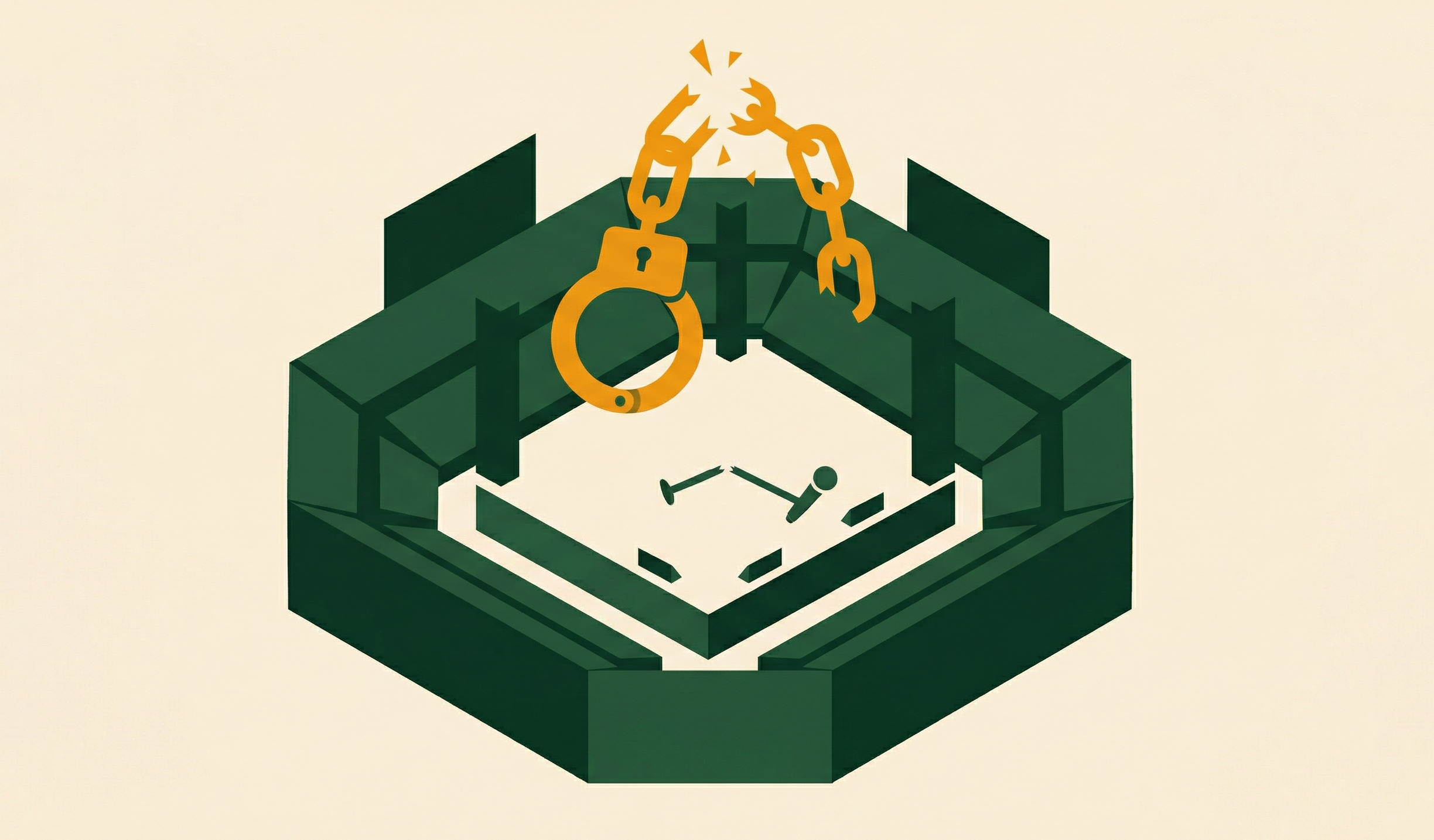
When the Headliner Gets Arrested: The Concert Promoter's Unhedgeable Nightmare
The single-night arena show is a different animal from a multi-day festival. There are no gate receipts spread across three days, no camping revenue to cushion a bad Saturday, no second weekend to recover lost ground. There is one night, one headliner, one chance.
Which is why the scenario every concert promoter quietly dreads — and has no financial protection against — is the headliner who gets arrested the morning of the show.
What the promoter eats
The financial exposure in a single-night cancellation is almost entirely sunk cost. By the morning of the show, the promoter has already committed to most of the significant expenditure: venue rental, production and staging crew, lighting and sound, local staffing, security, marketing spend, support act fees, and catering. These costs don't disappear because the headliner is in a holding cell. They are simply lost.
Ticket refunds are the most visible cost, but they're not the most painful one. Refunding $2 million in tickets to 15,000 fans is expensive and damaging, but it's a known quantity. The non-recoverable costs — the production infrastructure that was already assembled and paid for, the marketing budget that's already been spent, the venue that's been committed — are the ones that genuinely hurt.
For a mid-sized promoter running a sold-out 10,000-seat arena show with a headliner in the $500,000–$1 million fee range, a morning-of cancellation can easily produce $800,000 to $1.5 million in unrecoverable losses. And there is no insurance policy designed to cover it.
Why cancellation insurance doesn't apply
Concert cancellation insurance exists, but it is primarily designed for scenarios where the artist is physically incapacitated — illness, injury, death. An artist who is in police custody and physically capable of performing is not, in most policies, a covered cancellation. The distinction sounds absurd, but it's real: the policy covers inability to perform, not unwillingness or unavailability due to legal circumstances.
Even for policies that might theoretically cover a legal-related cancellation, the claims process is slow and contentious. The promoter needs the money now — to pay the crew, settle the venue, manage the refunds. A claims process that resolves in 60–90 days is essentially useless for a business that needs liquidity within a week.
The case for a parametric approach
A parametric hedge tied to a specific trigger — a publicly reported arrest or detention of the named artist within 72 hours of the scheduled performance — would resolve this immediately. If the trigger is met, the payout is automatic. The promoter doesn't need to argue about whether an arrest constitutes inability to perform. They don't need an adjuster to assess whether the non-performance was justified. They need liquidity to cover their sunk costs, and they need it within 48 hours.
The trigger is verifiable. Arrests are a matter of public record, and entertainment news cycles ensure that any arrest of a headline artist will be reported within minutes. There's no ambiguity, no claims negotiation, and no coverage dispute.
For concert promoters who have accepted this risk as simply part of the business, the availability of this kind of instrument changes the calculus entirely. The premium — priced against the actual probability that a specific artist will be arrested within 72 hours of a specific show — is likely to be modest for most acts. The coverage is substantial.
The gap between the risk that exists and the coverage that's available has never been about whether the exposure is real. It's always been about whether the financial infrastructure to hedge it existed. Now it does.